Kigali Genocide Memorial
Kigali Genocide Memorial
Located at the Gisozi site in Kigali, the memorial honors the victims of the 1994 genocide and offers a landmark museum experience on Rwanda's history.
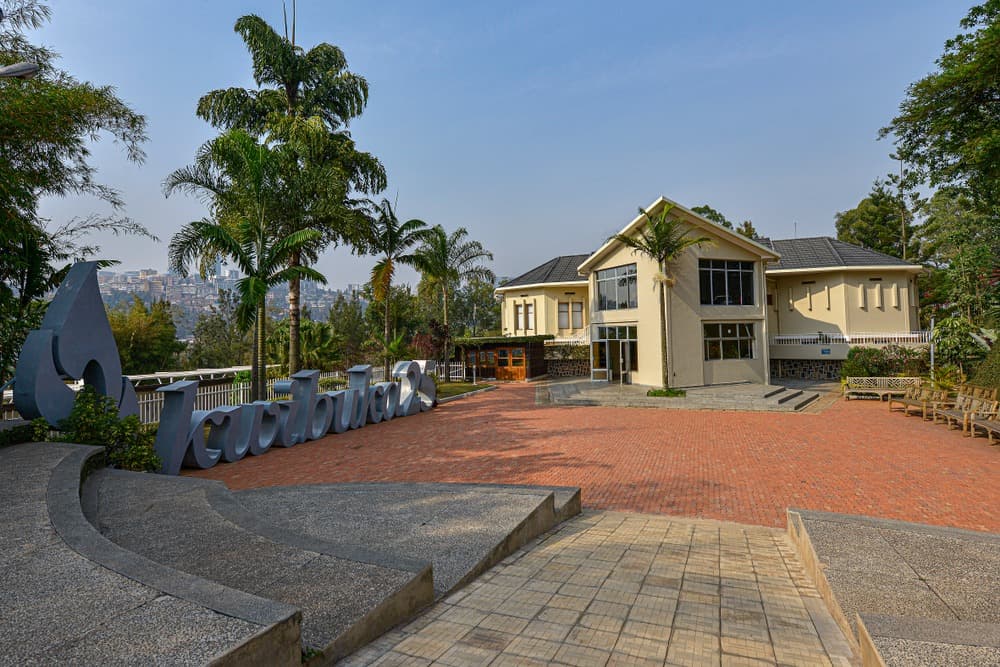
The Kigali Genocide Memorial, situated at the Gisozi site north of Rwanda's capital, pays tribute to the victims of the genocide perpetrated against Tutsis in 1994. Approximately 250,000 people rest in mass graves, and the memorial functions simultaneously as a cemetery, museum, and educational center. It is one of Rwanda's six principal memorial sites and an essential stop for understanding the country's recent history.
Why visit the memorial
The visit provides a documented account of the genocide perpetrated against Tutsis, during which approximately 800,000 people were killed over roughly one hundred days, between April and July 1994. Beyond paying respects, the museum exhibition places the events in their historical and political context, from the colonial period through to the propaganda mechanisms that made the genocide possible.
The memorial is committed to a prevention-focused approach: understanding how a state and society descend into extermination, to recognize the warning signs elsewhere. The visit is sobering and demanding, yet transformative for anyone seeking to grasp contemporary Rwanda and the reconciliation policy pursued since 1994.
History of the memorial
The site's creation was overseen by the National Commission for the Fight Against Genocide, in collaboration with the Aegis Trust, a British NGO specializing in genocide prevention. The city of Kigali provided the land in 1999, and construction began that same year. The first burials took place two years later, and the memorial was officially inaugurated in 2004, ten years after the genocide.
The Gisozi site was chosen to receive the remains of approximately 250,000 victims, arranged in mass graves in three rows. Burials continue as remains are identified and repatriated to the memorial.
What to see on site
The permanent exhibition
The route is organized into three sections. In the basement, the first traces Rwanda's history before the genocide: the construction of ethnic categories under colonial rule, rising tensions between Hutus and Tutsis, the planning of the extermination, and the unfolding of the hundred days. Videos, survivor testimonies, and archival documents follow in sequence.
The second section, "Our Lost Future," is devoted to children who were victims of the genocide. Portraits accompanied by brief biographies—their favorite game, their favorite food, how they were killed—make the experience particularly harrowing. The third section, "Wasted Lives," broadens the reflection to other twentieth-century genocides (Armenia, the Holocaust, Cambodia, Bosnia).
Display cases contain bone fragments, torn clothing, skulls, and portraits of victims. These objects, preserved and exhibited with family consent, give material substance to what statistics alone cannot convey.
The mass graves and the Wall of Names
The three rows of mass graves, outdoors, are open to visitors. Families come to lay flowers, particularly during the April commemoration period. The Wall of Names, an ongoing project, lists identified victims; many names remain missing, as remains without surviving family members to name them remain anonymous.
The gardens
Landscaped gardens surround the building and provide a space for reflection between the exhibition and departure. Benches, water features, and plantings have been designed as a transition before returning to the city.
When to visit
The memorial is open year-round. The busiest period is the annual Kwibuka commemoration ("to remember" in Kinyarwanda), which begins on April 7, the anniversary of the genocide's start, and extends over one hundred days. Official ceremonies, remembrance marches, and vigils bring together Rwandans and foreign delegations; crowds are large but the experience is profoundly meaningful for those seeking to understand ongoing memorial work.
On the last Saturday of each month, opening hours are limited to the afternoon (approximately 1 p.m.–5 p.m.) due to Umuganda, Rwanda's mandatory community work day. It is best to plan ahead if you intend to visit on this day.
Practical information
Admission to the memorial is free, based on a suggested donation. An audioguide, available at the reception in several languages including German, is highly recommended: the visit becomes fully meaningful with this commentary. Allow 2 to 3 hours for a complete visit (exhibition, graves, gardens).
Security screening is conducted at the entrance by the Rwanda National Police, including for vehicles. Alcohol and lighters are prohibited and checked upon arrival, then returned upon departure. Photography is forbidden inside the exhibition, permitted in the gardens. The site has an archive library, café, shop, and amphitheater used for workshops and lectures.
The visit is emotionally demanding and is generally not recommended for young children. Modest attire is appreciated, out of respect for families present at the site.
How to get there
The memorial is located in the Gisozi neighborhood in Kigali, approximately 15–20 minutes by car from downtown depending on traffic. Taxis and ride-sharing services (Move, Yego Cab) are the simplest option from most hotels. Motorcycle taxis, less expensive, are a common option in the city but less suitable if traveling with luggage or as a family.
For travelers on organized tours, the visit is typically scheduled on the day of arrival or before departure to national parks, as part of other capital memorial sites.
Nearby attractions
The memorial visit fits naturally into a broader itinerary around memory and Rwandan culture:
- Mbyo, reconciliation village — where former perpetrators and survivors live together as part of the national reconciliation program.
- Ethnographic Museum in Huye — to place the country within a longer cultural history.
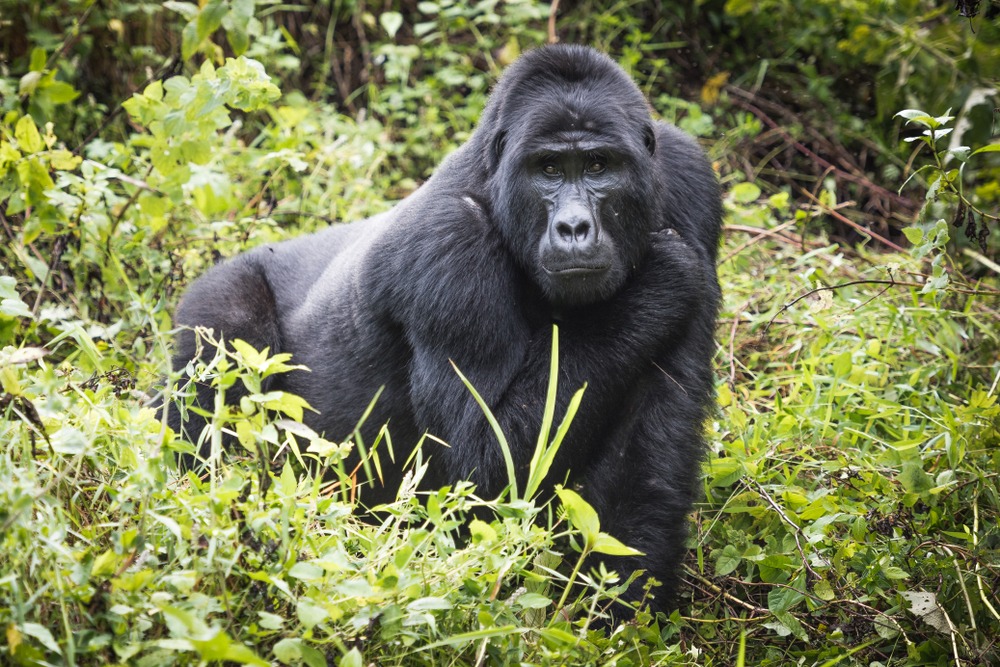
- Volcanoes National Park — in the country's northwest, renowned for its mountain gorillas.
Frequently asked questions
Häufig gestellte Fragen
To incorporate the memorial visit into a complete itinerary—Kigali, national parks, lakes, and trekking—consult our suggestions for customized Rwanda travel on our site.
Interesse an diesem Besuch?
Wir können ihn in Ihre persönliche Route aufnehmen.